Middletown, NJ · Garage Door Service
Middletown's mix of 1960s ranch garages and newer attached builds each need different door setups. See what the age and climate here mean for your door.
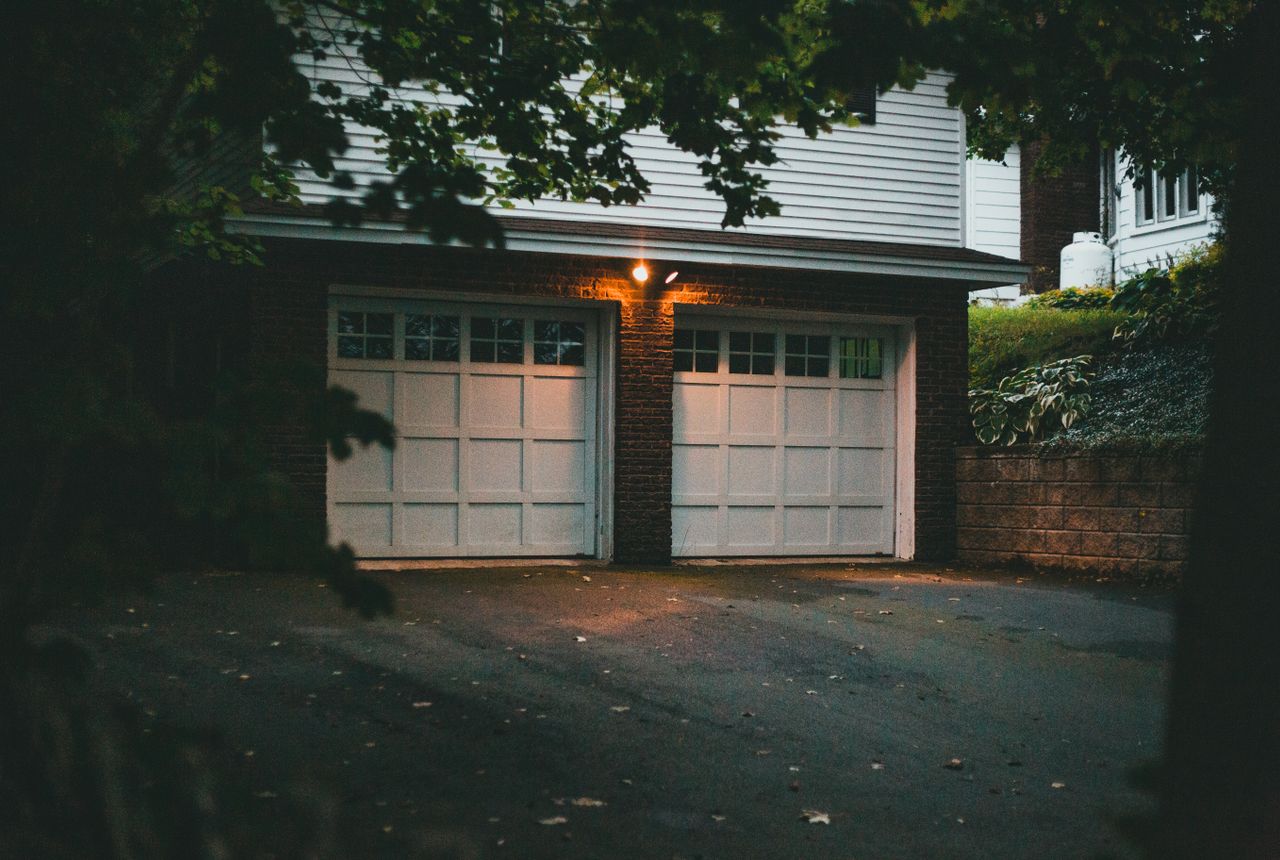
We can't quote a number here without knowing your door size, track type, and whether the opener is original or already replaced - and that's the honest answer for either a detached or attached setup. What we can tell you is that the cost drivers differ by structure type. A detached garage built in the 1938-2005 range this area falls into often has a shorter track run and a lighter door, since it wasn't framed to share a wall or roofline with the house. That usually means less hardware, which can mean a shorter job. An attached garage, especially anything built into a home from the newer end of that stock, tends to carry a heavier insulated door and a full-width torsion setup because the garage ceiling backs onto living space. More steel, more spring tension, more labor to set it right. Either way, the housing stock across this part of Monmouth County - a mix spanning 76 named areas with a median build year around 1962 - means most doors you'll find aren't original anymore, but the openings and track lengths often still are. That's the part that actually sets the price, not the town name on the invoice.
This area sits in a cold-severe climate band, and that hits detached and attached garages differently. A detached garage has no shared wall with a heated house, so the inside of that structure tracks close to outdoor temperature all winter. Steel doors on detached garages here take the full swing of freeze-thaw cycling on the panels, the hinges, and especially the bottom seal, which is usually the first thing to crack or shrink and let water and cold air track along the slab. An attached garage gets some passive warmth bleeding through the shared wall, which softens that swing somewhat, but it introduces a different problem: condensation on a cold steel door with warmer air on the other side. That moisture works into hinge pins and roller brackets over a winter or two. Homes on the older end of the 1938-2005 build range often have hardware that was never rated for this kind of cycling in the first place, since a lot of it was installed decades before insulated doors were standard. We see the difference in the callouts - detached garages bring in more seal and hinge failures, attached garages bring in more track binding from moisture and temperature swing on the shared wall side.
The mix of building eras here is the real story. With housing running from 1938 up through 2005 and most of the stock landing in the 1960s-70s window, you get two very different garage philosophies sitting a few doors apart. Older, detached garages were often built as standalone structures - sometimes added after the house, sometimes original but separate - with lighter framing and single-layer doors that were never meant to insulate anything, just keep rain and animals out. Later construction folded the garage into the house footprint, sharing a wall and often a roofline, which changed what the door had to do structurally: hold back weather on one side while not fighting condensation on the other. If your house falls into that 1960s-70s majority, there's a decent chance your garage was framed for one style of door and has since been fitted with another, which is where we find mismatched track lengths, wrong spring counts, and openers bolted to framing that wasn't sized for them.
Cold-severe winters mean the seasonal work is not the same job on a detached garage as it is on an attached one. On a detached structure, the priority going into the cold months is the bottom seal and the hinges, since that door takes the full outdoor swing with nothing behind it to buffer temperature. On an attached garage, the priority shifts to the track and rollers, because that's where condensation from the warmer shared wall collects and freezes overnight, which is what causes the door to bind or the opener to strain and eventually burn out a gear. We don't push a full tune-up on every door every fall - if a detached garage door already has a tight seal and clean hinges, there's often nothing to do. But if you've got an attached garage door that's been sticking on cold mornings, that's usually the moisture-freeze cycle working on the track, and it's worth catching before the opener takes the strain instead of the hardware.
Often, yes, because detached garages here tend to have lighter doors and shorter track runs, with less hardware to replace. But it depends on your specific door and track setup - we'd need to see it. Attached garages usually carry heavier insulated doors and full torsion systems, which adds labor and parts.
In a cold-severe climate like this one, an attached garage door sits between outdoor cold and the warmer shared wall behind it. That temperature difference creates condensation on the track and rollers, which can freeze overnight and cause binding. It's a different failure pattern than a detached garage door sees.
Unlikely, but the track and framing might be. A lot of the housing stock in this part of Monmouth County dates to that era, and while most doors have been swapped out at least once, the original track length and spring configuration often stay in place, which can create mismatches with newer doors.
Call now or request a free quote - same-day service on most repairs, upfront written pricing.