Middletown, NJ · Garage Door Service
Most Middletown garage doors predate insulation codes; the median house here was built in 1962. Here's what that means for repairs and replacement work.
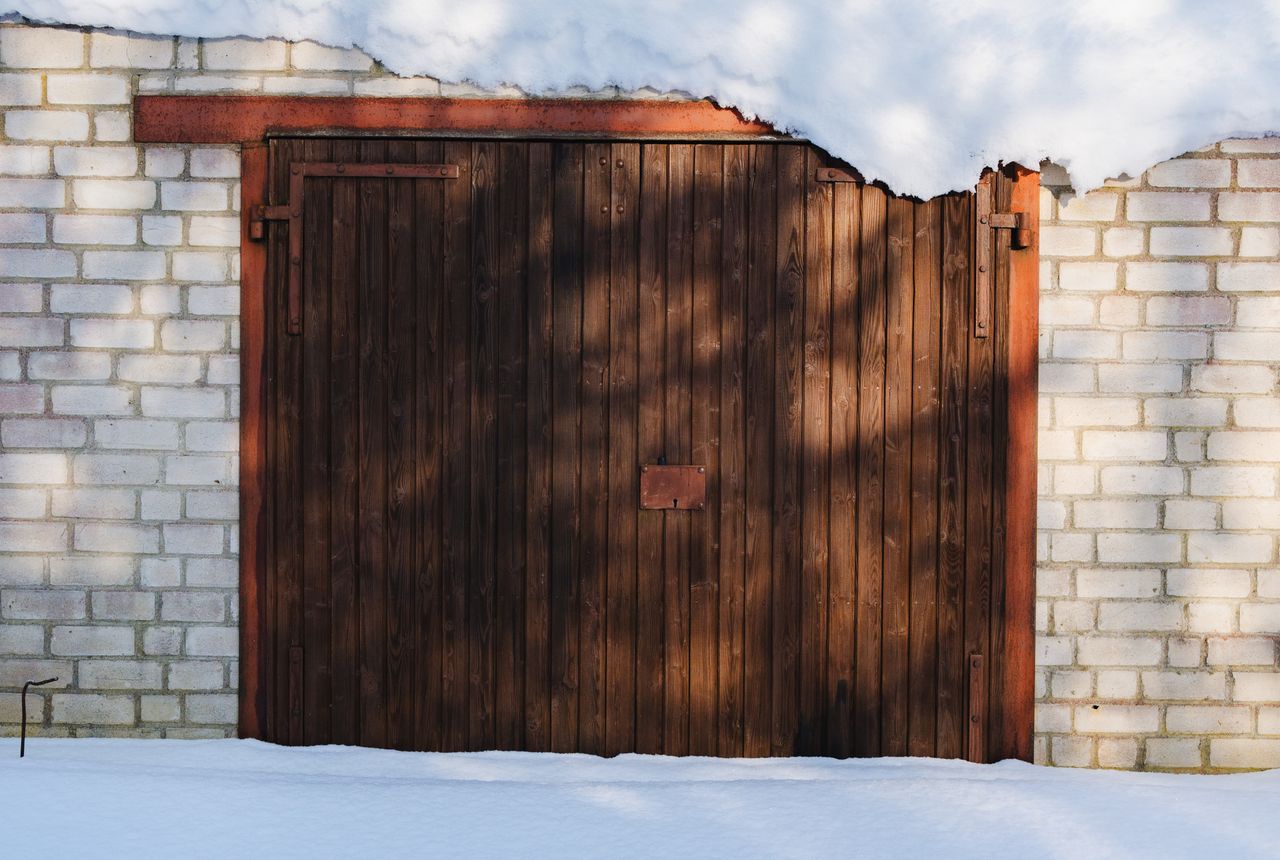
There's no single number we can give you here, because what a job costs depends on what's actually behind the door. A house built in the early 1960s - which covers a lot of Middletown, since the median build year across this stretch is 1962 - usually has a single-layer steel or wood panel door with no thermal break and no vapor barrier. Swapping that for a modern insulated door is a bigger job than replacing a door that was already insulated, because the track, header, and sometimes the jamb weren't built with a thicker panel in mind.
Repairing an old uninsulated door is usually the cheaper path if the frame is square and the hardware isn't shot. Replacing it makes more sense once you're chasing rust, warped panels, or a track that's been shimmed one too many times. We don't do full home insulation retrofits or siding work - we handle the door and the hardware around it. If your door needs work that goes beyond that, we'll tell you rather than take the job.
Middletown sits in a climate band rated cold and severe. That matters more for an old door than a new one, because a single-layer steel panel from the 1960s or 70s has nothing between the outside air and your garage - no foam core, no second skin. On a cold night that panel drops to close to outside temperature, and any moisture in the garage air condenses on the inside face. Over years, that's what turns the bottom two feet of an old steel panel into rust.
Cold also changes how the hardware behaves. Steel springs and cables contract slightly, lubricant thickens, and a torsion spring that's been fine all fall can bind or snap on the first real cold snap. Wood panel doors, common on the older stock in this area, swell and shrink with humidity and temperature swings, which is why an old wood door often drags at the bottom corners in winter even when it hung straight in August.
Housing across this area runs from 1938 to 2005, with the median landing at 1962, and most of the stock in the 76 named communities nearby was built through the 1960s and 70s boom. None of that construction happened under an insulation requirement for garage doors - those standards came later. So a door original to a house from that era is, by definition, a door built before anyone was required to put an R-value on it.
That's not a defect. It's just what a door from that period is. The panel is a single skin of steel or a solid wood face, sometimes with a thin fiberboard backer, and that's it. Most owners never notice until the door needs work anyway - a spring goes, a panel dents, the opener dies - and that's usually the moment to decide whether to patch what's there or move to a door built to a different standard. We see both original 1960s doors and later replacements on the same block, which tells you plenty about which owners already made that call.
Cold and severe winters are hard on any door, but they're hardest on the ones with no insulation to begin with. When temperatures drop for a stretch, an uninsulated steel door acts almost like a cold sink for the garage - condensation forms, drips onto the floor, and if there's a wood door frame or wood panel involved, that moisture doesn't dry out fast. Come spring, that's often when swelling and soft spots on wood panels show up.
Hardware takes a hit too. A torsion spring under tension behaves differently at low temperatures, and a marginal spring - one that was already near the end of its life - is more likely to fail on a cold morning than a mild one. Rollers and hinges that haven't been lubricated before winter bind up the same way. None of this means you need a new door every year. It means the door that's fine in October is worth a look before the real cold sets in, especially if it's original to a house from the 1960s or 70s.
It's common. Median house age in this area is 1962, and a lot of that original construction still has its first door or a direct replacement of the same style. If it's a single steel skin or solid wood panel with no visible foam core, it likely predates modern insulation requirements.
Depends on the door's condition. If the panels are straight and the hardware is sound, an insulated retrofit kit can help. If you're already dealing with rust, warping, or a bad track, replacement with an insulated door usually makes more sense than fixing an old one twice.
Wood swells and shrinks with moisture and cold. An older wood panel door, common on houses built through the 1960s and 70s here, absorbs humidity differently at the bottom corners, which is where dragging usually shows up first once the weather turns.
No. We handle the garage door, opener, and hardware. If your garage needs wall or ceiling insulation beyond the door itself, that's outside what we do, and we'll say so rather than take on work we don't do.
Call now or request a free quote - same-day service on most repairs, upfront written pricing.