Middletown, NJ · Garage Door Service
Middletown Garage Door Pros walks through the first checks on a service call: hardware age, cold-weather wear, and what drives the cost of a repair in this housing stock.
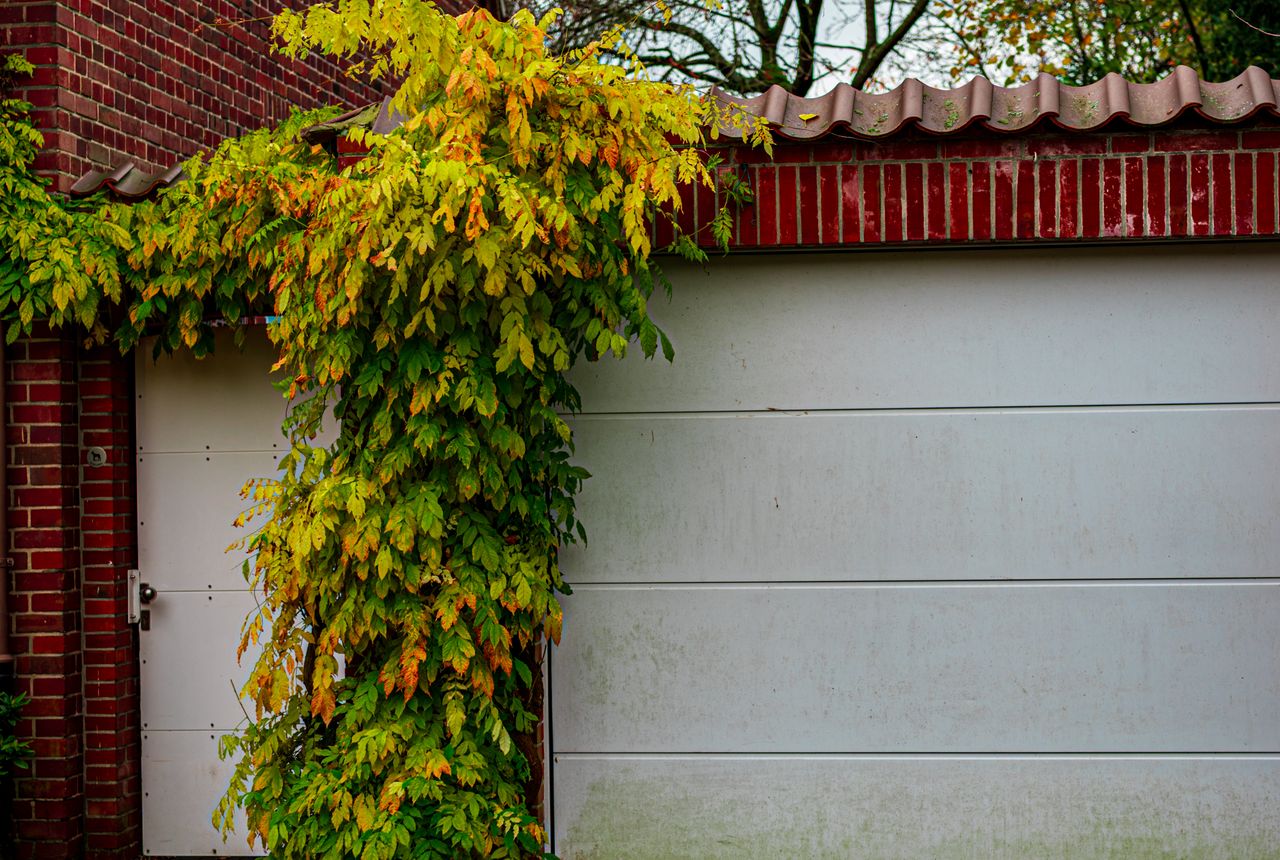
We don't quote a number over the phone before a tech has eyes on the door, and that's not a dodge - it's because the cost of a repair here depends heavily on what's actually installed. A house built in the 1960s in Middletown, which is when most of the local stock went up, often still has its original torsion spring or a replacement opener bolted onto hardware from that era. Matching that hardware, or deciding it's not worth matching and replacing the whole assembly instead, changes the job. A broken cable on a newer door with standard-width springs is a straightforward fix. A seized torsion spring on a door with a track profile that stopped being made decades ago is a different conversation, and sometimes the honest answer is that patching it costs more over time than replacing the unit. We'd rather tell you that up front than sell you a repair that won't hold.
What we can tell you without seeing the door: age of the hardware and the local winter are the two biggest cost drivers we run into on this side of Monmouth County. Everything else - the visit, the diagnosis, the parts we actually need - gets priced once we know which of those two we're dealing with.
Middletown sits in a climate band our records mark as cold and severe, which matters more to a garage door than most owners expect. Steel sectional doors move on their tracks by contracting and expanding with temperature, and the grease in an older torsion spring or roller bearing thickens as it gets cold, which is what makes a door feel sluggish or noisy on the first real cold snap of the year. On a house from the 1960s-70s stock that makes up most of the area, that original hardware was never lubricated for the winters we actually get, and decades of freeze-thaw cycling on the same springs and bearings adds up.
We also see it show up as a door that binds on one side before the other - usually a track that's shifted slightly out of parallel from years of the slab settling and the seasonal swing pulling on the hardware unevenly. It's rarely dramatic. It's slow wear, and by the time it's loud enough to notice, the part underneath has usually been working harder than it should for a while.
Most of the calls we get inside Middletown trace back to the same root cause: original or early-replacement hardware on a house that's now 50 to 85 years old, carrying loads it wasn't sized for once an opener got added later. Housing here runs from 1938 up through 2005, with the median build year around 1962, so a large share of doors we open up still have torsion springs, drums, or rollers original to a build that predates most of the openers now attached to them. That mismatch is the single biggest thing a technician checks first: is the spring rated for the door and opener combination that's currently on it, or was it upsized informally at some point by whoever did the last repair.
We check the spring wind and cable condition before anything else, because a spring under the wrong tension is what causes the sudden, dangerous failures - not the slow squeak most owners call about. If the spring looks original to a 1960s install, we flag it regardless of what the actual complaint was that day.
The first hard cold spell of the year is when we get the most calls, and it's rarely because something broke that day - it's because something was already worn and the cold just took away the last bit of slack. A weatherstrip that's cracked from UV and repeated freezing loses its seal, and once cold air gets behind the panel, condensation and rust start on hardware that was otherwise fine. On the older doors common across this area, that shows up as rust at the bottom roller bracket first.
Our honest limitation here: we don't do cosmetic panel matching for older discontinued door lines, since manufacturers stop stocking those colors and profiles long before the door itself fails. If your door is from that 1960s-70s run and a panel gets dented, we'll tell you straight whether a mismatched replacement panel is worth it or whether it's time to talk about the whole door.
Cold thickens the lubricant in your torsion spring and roller bearings, and steel track contracts slightly in low temperatures. On the older hardware common in Middletown's 1960s-70s housing stock, that combination is enough to make a door feel stiff or noisy at the first real cold spell, even if nothing is actually broken yet.
It's common in Middletown, where median build year is around 1962. If nobody's mentioned replacing the torsion spring, there's a real chance it's original or close to it, and we check spring wind and cable wear first on any service call for that reason.
Not reliably. Many door lines from the 1960s-70s era have been discontinued, and we won't sell you a mismatched panel and call it a fix. If a panel on an older door is damaged, we'll tell you honestly whether patching it makes sense or whether replacement is the better call.
Spring tension and cable condition, before anything else. A door under wrong tension is what causes sudden, dangerous failures, not the slow squeaks most people call about. That check matters more here given how much of the local hardware dates back to the 1960s median build year.
Call now or request a free quote - same-day service on most repairs, upfront written pricing.