Middletown, NJ · Garage Door Service
Middletown's housing runs 1938 to 2005, median 1962, in a cold-severe climate. Here's how that age and weather decide whether your door is worth fixing or replacing.
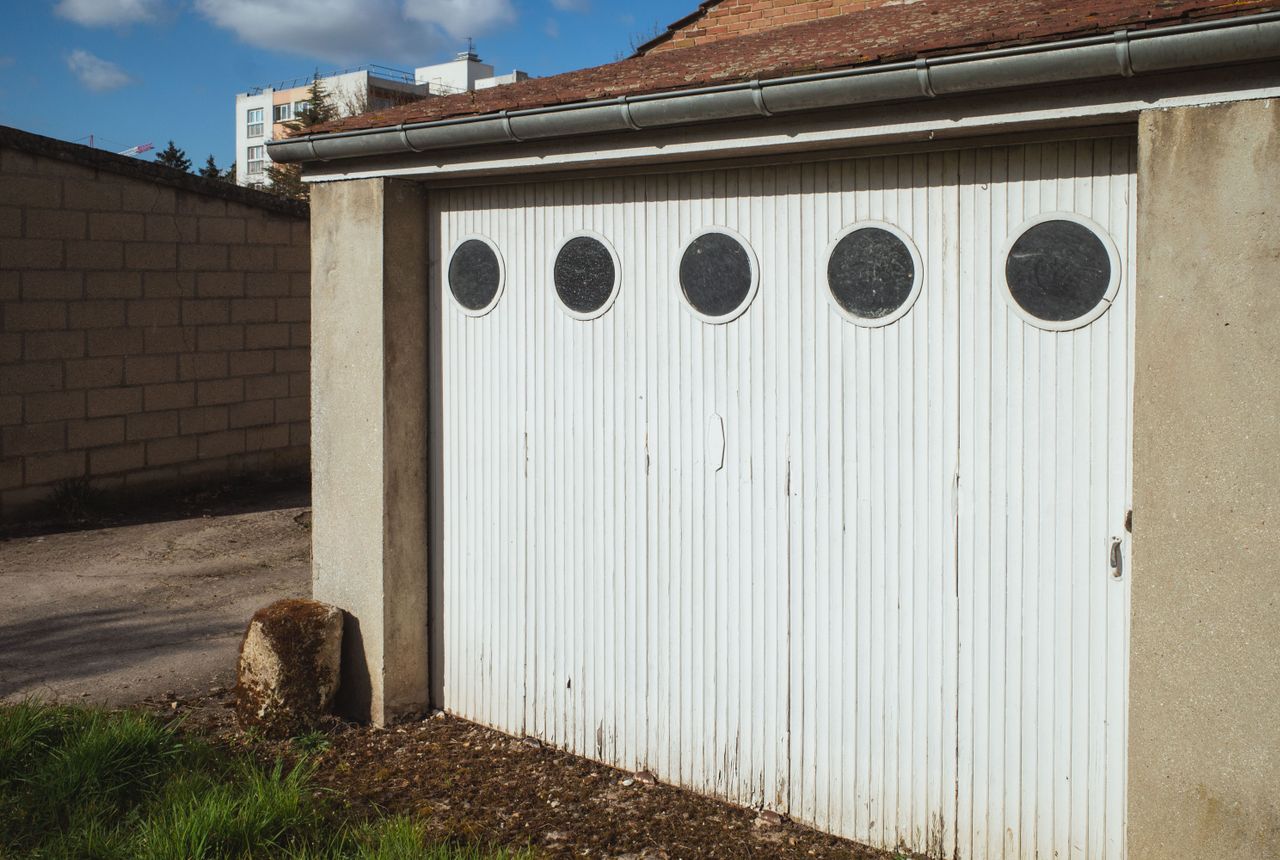
We don't quote a number until we've seen the door, because what it costs to fix depends on what's actually wrong and how old the unit is. A torsion spring swap on a door from a 1960s-built house is a different job than replacing rollers on something put in during the 2000s. Middletown's housing stock runs from 1938 to 2005, with the median build year at 1962, so the range of hardware we run into is wide - everything from original steel sections with no insulation to newer double-layer doors installed during a remodel.
The honest answer on cost is that it splits into two buckets: parts that wear out on any door regardless of age (rollers, cables, weatherstrip) and structural failures tied to age (rusted-through bottom panels, torsion tubes bent from years of an undersized spring). The first bucket is almost always worth fixing. The second bucket is where we tell people straight - if the track is rusted through on a door built before insulated panels were standard, patching it costs nearly what a new door runs, and the new one will hold heat a lot better in a Middletown winter. We won't sell a repair on a door that's going to need the same call again in a year.
Middletown sits in a cold, severe climate band, and that matters more for garage doors than most homeowners expect. Steel contracts in cold air, and a torsion spring that's slightly undersized for the door's weight loses tension faster when it's cycling through freeze-thaw swings all winter. On a door built to 1960s or 70s specs - which describes most of the housing across Middletown's 76 named sections - the spring and hardware were sized for a lighter, single-layer panel. If that panel's ever been swapped for something heavier without upgrading the spring, the cold makes the mismatch worse, not better.
We also see more hardened grease and stiff hinges on original-era doors here than we would in a milder climate, simply because the metal is doing more work every time the temperature drops. That's not a defect, it's just what an older, unheated garage in a cold climate does to steel over sixty years. It's one reason a door that looks fine in July can bind or groan by January.
Most of the service calls on older doors in Middletown break down the same way. The spring goes first, because it's the part under constant load and it's usually the original one on houses built in the 1960s and 70s. After that it's rollers - steel ones on the oldest doors, which are noisier and wear faster than the nylon rollers that came standard later. Track alignment is the third, especially on doors that have taken a bump from a car bumper or a basketball over the decades.
What we don't see much of, honestly, is panel failure on its own. Steel panels from this era were heavier gauge than a lot of what's sold today, and they tend to outlast the hardware around them. So the question with a lot of these Middletown doors isn't 'is the door still good' - it usually is - it's whether the spring, opener, and track are worth bringing up to match it, or whether the door's reached the point where replacing the whole unit makes more sense than a third repair in five years.
Cold weather is when older doors in Middletown fail, not summer. A spring that's been slowly losing tension all year tends to snap on the first hard cold morning, because cold steel is less forgiving right at the moment it's under the most stress - lifting a door that's heavier than it should be with hardware that's older than it should be. We get more torsion spring calls between December and February than any other stretch.
If your door is original to a house built anywhere from 1938 through the 1970s, the one thing worth doing before winter sets in is having the spring and cables looked at, not the opener. The opener fails loud and obvious. A spring failing doesn't always give warning - sometimes the first sign is the door won't lift at all, or it drops fast on the way down. We'd rather look at it in October than get the call in a January cold snap.
Usually, yes. Panels from that era in Middletown tend to be heavier gauge steel than what's sold now and they hold up well. The parts that fail are the spring, rollers, and cables - all repairable on their own without touching the panel, unless there's rust-through on the track or bottom section.
Middletown's in a cold, severe climate band, and steel hardware loses give in cold air. A spring that's been aging for decades on a house built in the 1960s or 70s is already working harder than a newer one; cold mornings are when that shows up as a door that binds, groans, or won't lift.
If the panel itself is sound and it's the spring, rollers, or track failing, repair almost always makes sense. If the bottom panel or track has rusted through, or you're on your third repair call in a few years, replacing the door usually costs about the same as one more patch job and lasts longer.
We cover the surrounding towns as well, including Belford, Port Monmouth, Holmdel, Hazlet, and Lincroft. Housing stock and climate are similar across this stretch of Monmouth County, so the same repair-versus-replace logic generally applies.
Call now or request a free quote - same-day service on most repairs, upfront written pricing.