Middletown, NJ · Garage Door Service
Middletown's housing runs 1938 to 2005, most of it 1960s-70s stock built for single wide openings. Here's what wind does to that door and hardware.
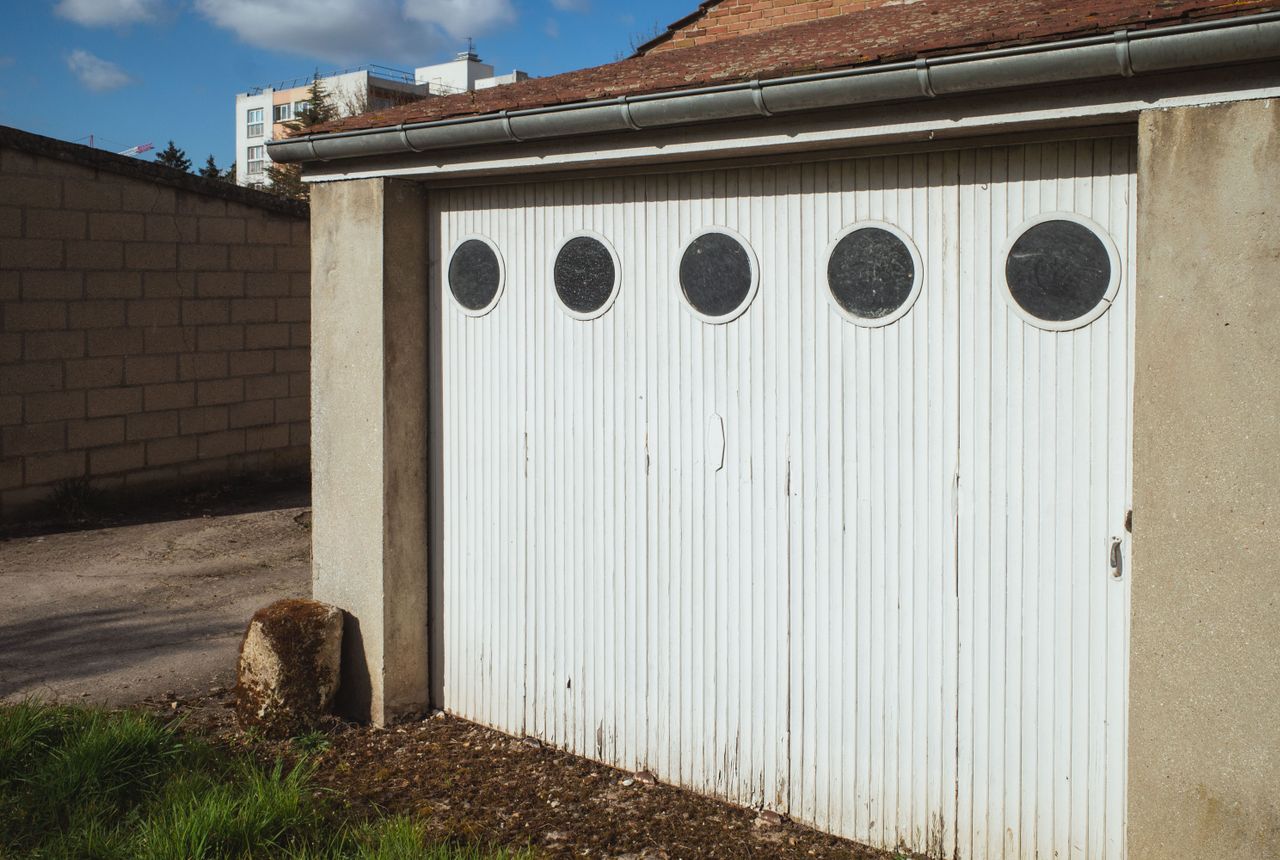
We don't have a set number to hand you here, because what a wind-damaged wide door costs depends on what actually gave out - a bent track, a snapped cable, a caved-in panel, or the opener trying to fight a door it can't hold. A wide door (the single 16-foot two-car kind, not a pair of 8-footers) carries more sail area than a single-car door, and every extra square foot of steel is extra load on the same tracks and rollers a narrower door would use. Reinforcement struts, heavier gauge track, and a beefed-up opener bracket all add labor and parts on top of whatever repair the wind actually caused. If the door is original to a house built decades ago, expect the fix to involve hardware that isn't a straight swap for what's sold today - sourcing the right bracket or drum sometimes takes longer than the actual repair. We'll tell you straight if a repair on an older wide door is worth doing or if you're better off replacing the whole assembly. Sometimes patching a 60-year-old track after a wind event just buys you the same failure again next season.
This area sits in a climate band rated cold and severe, and that matters more for a wide door than people expect. Wind alone bends a door slightly and then lets go. Wind combined with real cold is different - the steel skin contracts, the seals stiffen, and a torsion spring that was already tired from years of temperature swings has less give left when a gust pushes on sixteen feet of door face at once. On a single-car door that flex is minor. On a wide door, the same gust is spread across a panel that's twice as wide, so the middle of the door - where there's no vertical seam to stiffen it - takes the worst of the bow. Struts across the top sections help, but a lot of wide doors installed decades ago in this area went up before struts were standard equipment, so the reinforcement simply isn't there. That's not a defect anyone installed on purpose; it's just what wide doors looked like when a large share of this area's garages were built. It's also why a wide door that's flexed visibly in wind more than once is worth a look before it flexes past the point where the track can pull it back straight.
Most of the housing across this service area's 76 named neighborhoods went up between the late 1930s and 2005, with the median build year landing around 1962 - squarely in the run of 1960s and 70s construction that makes up most of the stock here. That era is when a lot of two-car garages got framed for one wide opening instead of two single ones, because it was cheaper to frame and door one 16-foot span than two 8-foot ones. The doors that went into those openings were single-layer steel on lighter track than what gets installed today, sized for a door that just needed to open and close, not for wind load standards that came later. Fifty and sixty years on, that track is still doing the same job, but the rollers have worn, the mounting brackets have loosened a hair at a time, and the whole assembly has less margin than it did new. None of that shows up as a problem until wind actually pushes on the door and something that was already marginal goes past its limit - a bent track rail, a roller that jumps the groove, or a center hinge that finally gives. It's not the age of the door that fails first, usually. It's the hardware holding it in the opening.
Cold and wind tend to arrive together here, and that pairing is worse for a wide door than either one alone. A spring that's already lost some tension from age has less resistance right when a gust load asks the door to hold its shape. Track bolts that back out slowly over years of thermal expansion and contraction are more likely to let go under a sideways push than under normal open-and-close use. None of this is exclusive to any one month, but the stretch when temperatures swing hardest and wind is most frequent is when we see the most wide-door calls - bowed center panels, tracks pulled loose at the top bracket, openers straining against a door that's not moving straight anymore. If your wide door has flexed visibly, made a new noise, or started closing unevenly after a windy stretch, that's worth a look before the next one. We can't promise a repair will outlast another decade on hardware that's already original to a 1960s build - sometimes the honest answer is that the track and door need to come out together, not patched piece by piece.
A 16-foot door has roughly double the surface area of a single-car door, so the same wind gust puts more total force on it. Without a vertical seam down the middle, the center of a wide panel has the least stiffness and takes the most visible bow. Reinforcement struts help, but plenty of doors in this area went up before struts were standard on wide models.
It's common. Most of this area's housing was built through the 60s and 70s, and a lot of those garages still run tracks, brackets, and springs close to original. Hardware that age has usually lost tensioning margin, so it has less reserve for a wind load than it did new, even if it's still opening and closing fine day to day.
Depends what actually gave. A bent track rail or a loose bracket can sometimes be fixed on its own. But if the panel itself has bowed or the door has flexed more than once, patching the track alone often just moves the failure point somewhere else next season. We'll look at the whole assembly before quoting a fix.
Yes. Steel and seals stiffen in the cold, and springs that have already lost tension over the years have less give left when a gust hits. This area's climate band is rated cold and severe, and that combination - not the wind by itself - is usually what pushes older hardware past its limit.
Call now or request a free quote - same-day service on most repairs, upfront written pricing.